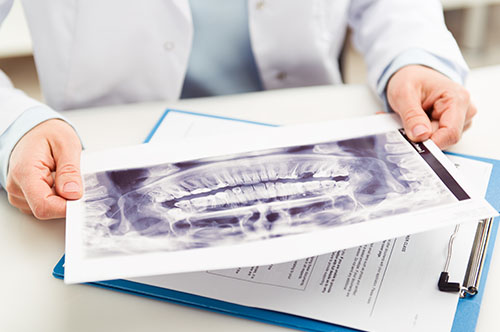
Enamel is the hardest substance in the human body, but it has one significant weakness: once it’s gone, it doesn’t grow back. That makes protecting it one of the most important things you can do for your long-term dental health. The tricky part is that some of the habits wearing it down don’t feel harmful at all. Here are the ones worth paying attention to.
1. Brushing Too Hard or Too Soon After Eating
More pressure doesn’t mean a better clean. Aggressive brushing gradually wears down enamel and irritates the gum line, often without causing any obvious pain until the damage is already done. A soft-bristled toothbrush and gentle, circular motions are all you need.
Timing matters too. After eating or drinking something acidic, your enamel temporarily softens as it reacts with the acid. Brushing within 30 minutes of a meal can work against you during that window. Rinsing with water and waiting before you brush gives your enamel time to reharden first.
2. Sipping Acidic Drinks Throughout the Day
It’s not just what you drink, it’s how you drink it. A glass of orange juice with breakfast exposes your teeth to acid once. Sipping on sparkling water, soda, or coffee over the course of several hours keeps your enamel in a prolonged state of acid exposure, which significantly increases erosion risk.
If you enjoy acidic drinks, try to have them in a shorter window rather than nursing them throughout the day. Drinking through a straw reduces direct contact with your teeth, and following up with plain water helps neutralize the acid more quickly.
3. Rinsing With Water Right After Brushing
This one surprises a lot of people. Rinsing immediately after brushing washes away the fluoride from your toothpaste before it has a chance to absorb into your enamel. That fluoride is part of what makes brushing effective at strengthening and protecting your teeth.
Spitting out the excess toothpaste without rinsing, or waiting at least a few minutes before rinsing, gives fluoride more time to do its job. It’s a small adjustment that makes your brushing routine meaningfully more effective.
4. Using Your Teeth as Tools
Opening packaging, tearing tags, cracking nuts, holding things when your hands are full. Teeth are remarkably useful in the moment, but none of these are what they’re designed for. This kind of misuse puts stress on enamel and restorations alike and is one of the more common causes of chips and small cracks.
Keeping a pair of scissors nearby and being mindful of the habit is usually all it takes. Crowns, veneers, and bonding are durable, but they hold up best when they’re not being used as a Swiss Army knife.
5. Grinding or Clenching Without Knowing It
Many people who grind their teeth do it at night and have no idea until a dentist points out the wear patterns. Over time, grinding flattens and thins enamel in ways that are difficult to reverse and can lead to sensitivity, cracking, and changes in your bite.
If you wake up with jaw soreness or headaches, or your dentist has mentioned signs of wear, ask about a custom night guard. It’s one of the simplest ways to protect your teeth from damage that’s otherwise happening completely outside your control.
Small habits compound over time in both directions. The ones that protect your enamel add up just as much as the ones that wear it down. If you have questions about your enamel health or want a professional opinion on what your teeth might need, contact call Waldman Dental Group at 480-898-4246 for an appointment in Scottsdale, AZ. You can also .